KOLKATA: WEST Bengal came to a
halt on February 20th. It was the rejoinder by the people of this state on the
most debated and opposed general strike of recent times. Dictatorial ultimatums
of the state government found no shore on the day except popular denunciation.
Every sounds and even silence of the people of the people proclaimed popular
rejection of the anti-people, anti-labour agenda of the UPA-II government as
they along with millions of others across the country participated in the first
day of the Two-Day Nationwide General Strike on February 20th and 21st .
The West Bengal state committee of the Communist
Party of India (Marxist), extending its full support to the two-day long
nationwide strike call of 11 central trade unions, had appealed to the people
of this state to observe all out strike. Various peasant organizations have
also supported the strike which is aimed at betterment of lives of the working
people. By not overlooking the historic importance of International Mother
Language Day and showing confidence to the popular sentiments, the CPI(M) had
asked the trade unions to allow partial discharge on the second day of strike
in this state. And the trade unions responded positively to that appeal. Along
with the popular rejection to the ruling strata’s intimidation, this strike
marked a vivid instance of successful cooperation and understanding of the
Party with the trade unions.
CONSTANT INTIMIDATION AND ATTACKS
West Bengal witnessed a massive participation of
people in the strike refuting incessant intimidation from the TMC-led
government. The government had taken multiple measures to attack the strike in
various ways:
i. Police used opposing the strike: The government unprecedentedly
used its police administration to propagate against strike. The police was
engaged in mike campaign in different localities for the last two days.
ii. Ministers’ threats: The chief minister
Mamata Banerjee and her council of special two-three ministers applied every
measure to intimidate people just to oppose the strike.
iii.
Punitive Order: The West Bengal government issued a brutal order from the
finance department where the state government employees were threatened to join
the office on both days to avoid punitive measures like service break and
salary-cut. The order even violates the Right to Strike.
iv.
Direct attacks: A series of attacks had been perpetrated in different
localities for the last two weeks particularly in areas where people and left
workers were campaigning for the strike.
But West Bengal, upholding its tradition of
protest against all tyrannical measures against the common people, has made the
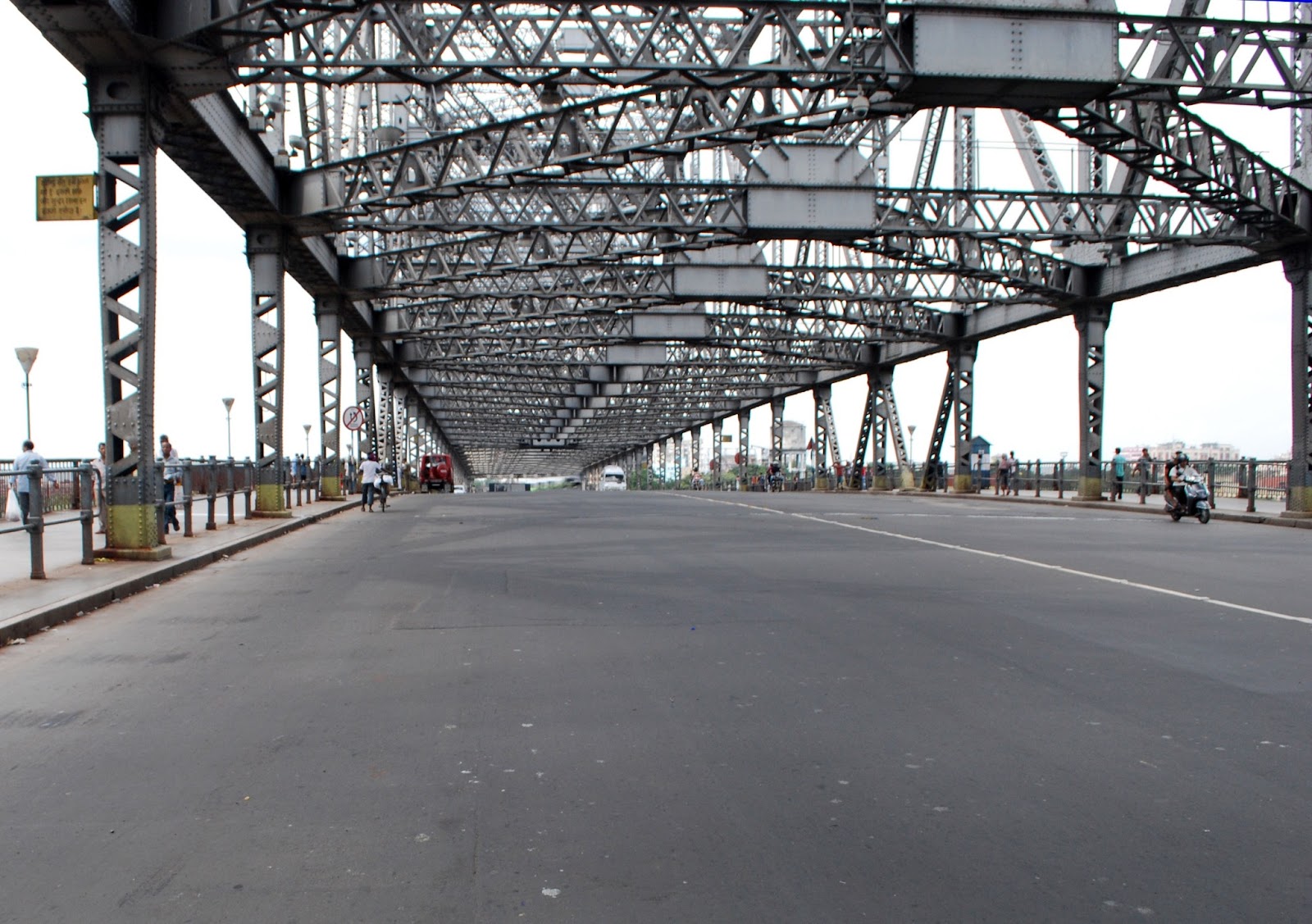
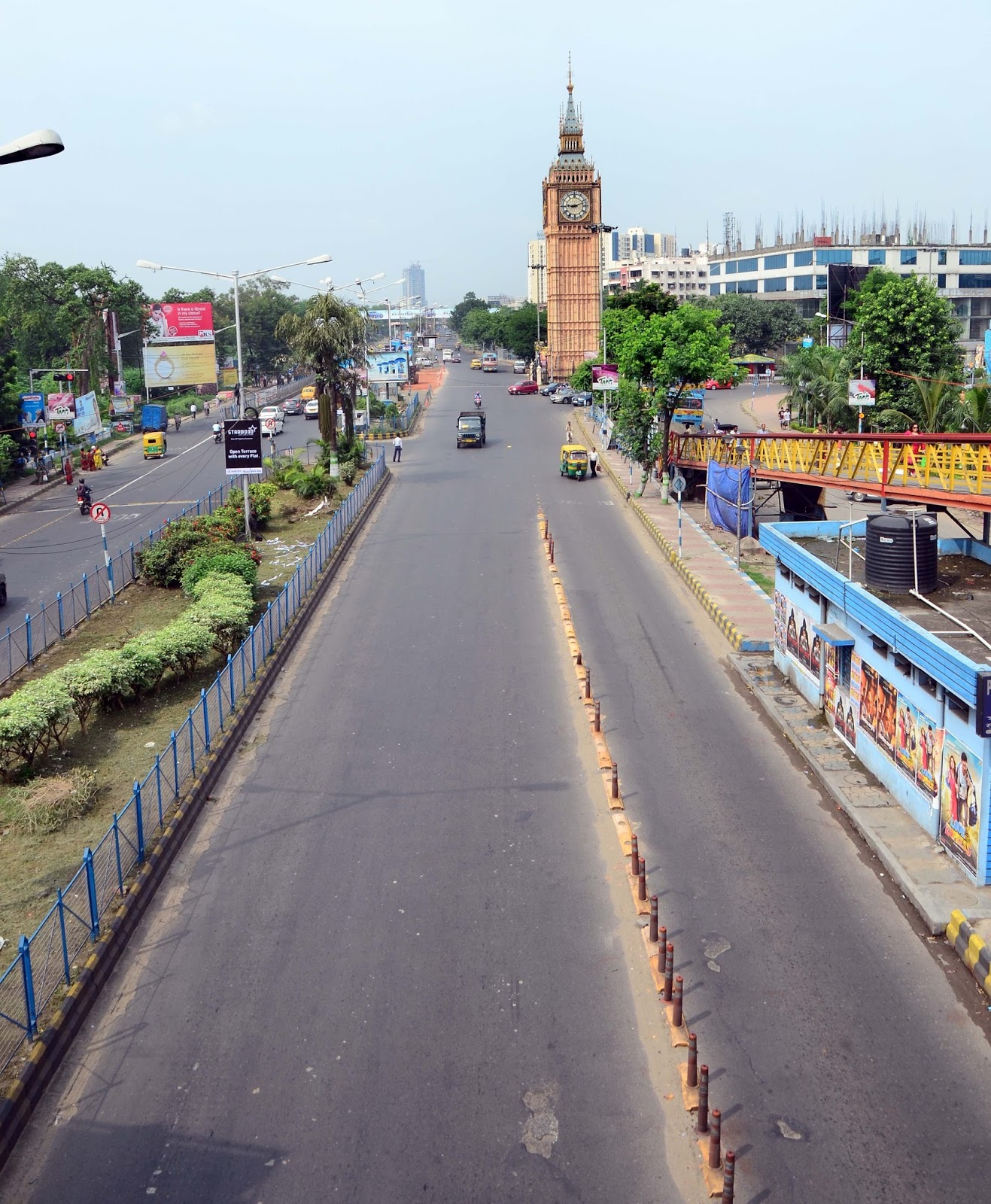
strike a great success. From North to extreme South Bengal, the scenario of the
state remained ‘stand still’ when the state private transport, factories,
agricultural fields, shops across localities, shopping centres were completely
disrupted due to not having enough commuters and workers.
The private transport workers rendered full
support to the strike. Out of more than 5000 mini buses, just less than even
120 were plying on the streets; out of total 37,000 private buses, less than
1500 appeared on roads; most Tea Estates of North Bengal remained closed.
Industrial regions of the state witnessed a
complete seize of work. Barrakpore Industrial belt was no less than a no man’s
land where most of the labour and working people observed all out strike.
Taratalla Industrial region observed strike in decisive manner with most of the
industries and factories shut down. Coal mine areas and Durgapore Industrial
region observed the first day of strike withstanding numerous threats and
attacks from the authorities and the ruling party. Kalyani Industrial region
was partially in action as the government and authority nexus had the workers
forcefully locked in the factories overnight. Hoogly and Haldia Industrial belt
observed strike in best possible way as they are in constant threat from ruling
party goons and job insecurity.
GOVT-SPONSORED EVENTS OF ATTACKS
(i) Hazra, Minister Instigates: The state transport
minister Madan Mitra overtly instigated the police to start a rampant
lathicharge on February 20 on the innocent strike campaigners at Hajra
Crossing. The police did not even spare senior citizens and women while
arresting them.
(ii) Nimta, Left workers attacked and
injured:
A CPI(M) local committee secretary Ashok Sarkar was attacked and injured by
Trinamool hooligans at Nimta; a primary school teacher was beaten brutally by
the Trinamool hooligans in Halishshar, North 24 Parganas.
(iii) Asansol, Henious attempt to oppose
the strike:
Numerous events of attacks on the strike observers took place throughout
Asansol along with two massive attacks by the ruling party goons, one at the
Asansol Bazar and another at the BNR more. The hooliganism of the ruling party
led to complete shutdown of all facilities in Asansol town.
(iv) West Midnapore, CPI(M) office
vandalised:
TMC workers unleashed massive attack at Narayangar and vandalised the CPI(M)
local committee office situated there. Another event of attacking the strike
observers and area Party office of CPI(M) occurred at Dantan.
TRADE UNIONS CONGRATULATE PEOPLE
At the end of the first day strike, the trade
unions in a joint statement congratulated the working class in organised and
unorganised sectors for making the strike successful, inspite of the threats
given by the state chief minister. They condemned the death of AITUC leader
Narendra Singh in Ambala, who was murdered by being crushed under the wheels.
The organisers have called for all out rallies in the state in protest.
While confronting the various statements made to
foil the two day general strike call, CITU West Bengal state president Shyamal
Chakrabarty said at a press conference that despite the state government
holding repeated talks to ply transport on the days of the strike, the working
class rebuffed her attempts. Responding to her call to Election Commission to
ban political parties that called for strike, Chakraborthy advised her to at
least now read the Constitution and see what the Article on fundamental rights
states.
Shyamal Chakrabarty has also spoken of dragging
to the court those who have gone beyond their constitutional powers and have
issued circulars to the emloyees compelling them to join duties to make the
strike unsuccessful against their wish.
February 24, 2013